
Why Everest Base Camp evidence varies
An Everest Base Camp journey can be recorded in many ways. Some hikers use one watch from Lukla to base camp and back. Others record each day separately, rely on a phone, travel with a guide who maintains a group record, or have gaps caused by charging, weather, altitude, or device settings. Itineraries include acclimatisation days, side trips, helicopter or road changes, and different return arrangements.
The certificate review should therefore focus on the actual completion claimed, not a single idealised itinerary. State the route, walking dates, major variation, and whether the application covers the outward trek, return, or a defined section. Do not copy an operator itinerary if it differs from what happened.
GPS tracks and daily segments
GPX, FIT, TCX, or a trusted activity link can provide strong route and date context. Separate daily activities are normal. Describe them in order and note any day recorded by another device. A complete continuous line is helpful but not mandatory when other evidence explains a genuine gap.
High mountain valleys can produce drift or loss of signal, and battery management can reduce point density. Reviewers should compare the broad route and dates rather than demand survey-grade accuracy. Raw coordinates remain private. The public certificate records only the verification level and a safe evidence summary.
Photographs at recognisable points
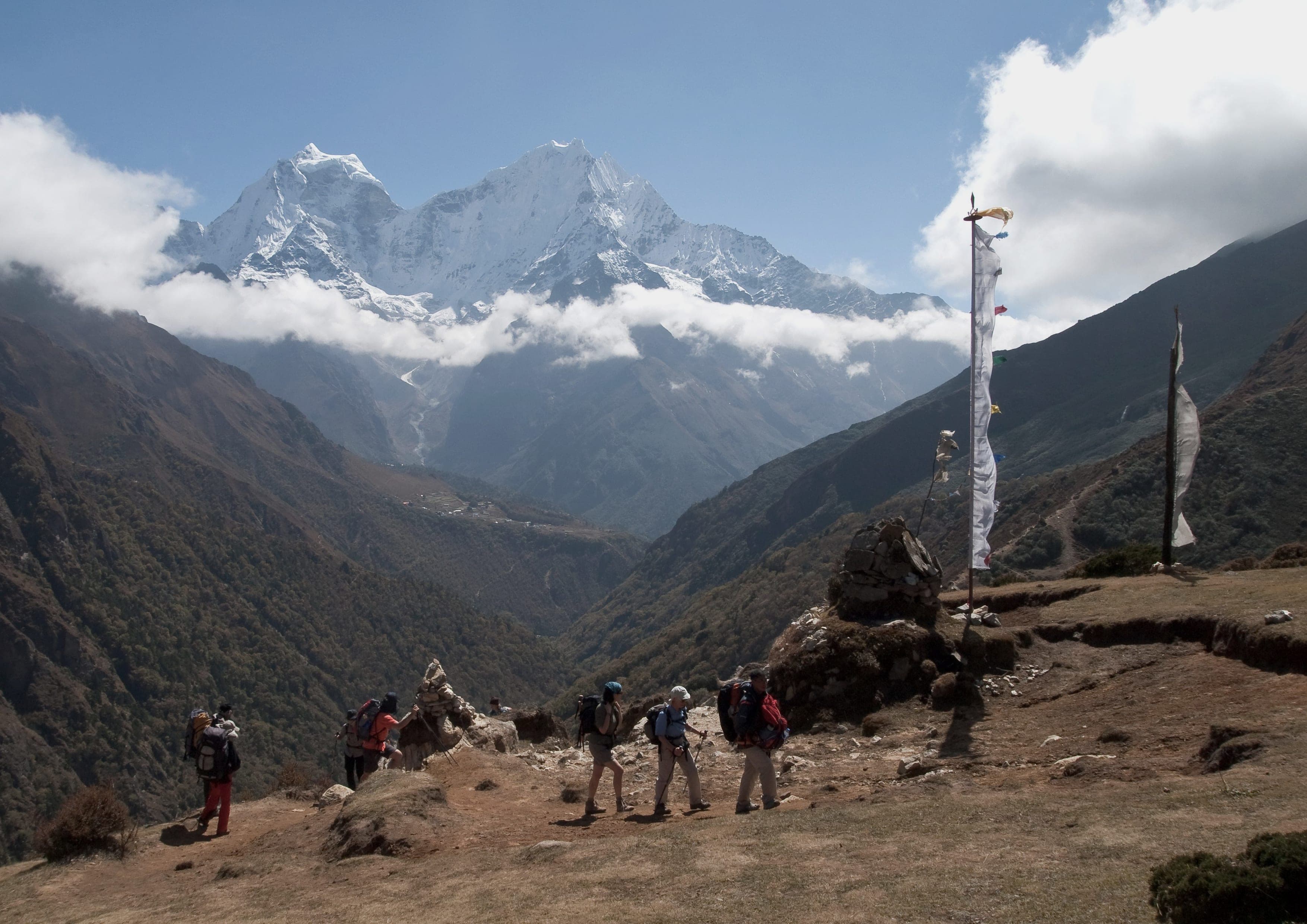
A small number of dated photographs can support progression through the Khumbu. Useful context may include trail settlements, suspension bridges, accommodation, high-valley views, signed locations, or base camp surroundings. The registry does not need close portraits, passport photographs, or images of every checkpoint. Avoid sharing images that expose another person’s private information without permission.
Photo timestamps can be useful but are not infallible; camera clocks may be wrong and messaging services may strip metadata. A clear narrative linking a photograph to the itinerary is more useful than relying on hidden metadata alone. Original images stay private and are never placed on the public QR page.
Permits, bookings, and guide confirmation
Permit or registration records, lodge bookings, guide confirmations, and operator itineraries can support presence and timing. They should be treated as supporting evidence because holding a permit or booking does not by itself prove the complete trek. Redact unrelated document numbers or personal data where possible and do not upload a passport unless specifically requested for an exceptional reason.
A guide confirmation should identify the trip scope and dates and come through a credible source. Partner Confirmed wording is used only when the guide or organisation and its workflow have been approved by Verified Hikes. An ordinary guide note can still support Evidence Reviewed without creating partner status.
Acclimatisation and rest days
Acclimatisation is a normal part of an Everest Base Camp itinerary. A day spent near Namche Bazaar, Dingboche, or another location may include a short acclimatisation walk or no main-route progress. Include the full trip date range and explain these days. Do not compress the dates to make the movement appear continuous.
Weather, illness, logistics, or group decisions may also change the itinerary. The reviewer is looking for a coherent account, not a performance result. Verified Hikes does not certify speed, medical fitness, altitude safety, or compliance with a particular operator schedule.
Flights, transport, and route boundaries
State where the walking completion began and ended. Travel to the trailhead, flights, road transfers, and return transport are context rather than trail evidence. If a helicopter evacuation or return replaced a walking section, explain it clearly so the requested certificate can match the completion supported by evidence.
The route can also be combined with Gokyo, passes, or other variants. Do not assume the standard Everest Base Camp page covers every combined itinerary. The registry may request clarification, use variable-route wording, or recommend a more specific record when the route differs materially.
What the certificate claims
An approved certificate confirms that The Verified Hikes Registry reviewed submitted evidence for the stated completion at the displayed level. It is an independent registry record unless explicitly marked Partner Confirmed or Authority Confirmed. It is not a Nepal government document, permit validation, immigration record, mountaineering credential, safety certificate, or endorsement by a trail authority.
The QR page can show the certificate’s live status, trail, privacy-controlled recipient display, dates, level, issue date, fingerprint, and signature state. It does not show permits, photos, GPS tracks, guide messages, payment details, or reviewer notes.
Preparing the application before payment
Read the Everest Base Camp trail page before starting so the requested record and current application posture are clear. Confirm that your display name and privacy mode are intentional, and gather the best route files before checkout. The usual review target is a few working days after payment and upload, but a complex itinerary, file scan, or clarification can extend that time.
Evidence review is the paid work. If your material is incomplete, a reviewer may ask for clarification. Refund eligibility depends on when review began, work completed, and the public policy. Preparing first reduces delay and avoids paying for a record that does not match the route you want documented.
Everest Base Camp proof checklist
Prepare the full walking date range, a concise itinerary summary, and the strongest route record available. Add a small set of dated photographs or supporting documents that establish meaningful points. Explain acclimatisation days, recording gaps, route variants, and any transport that changed the walking completion. Review files for sensitive endpoints and document details before uploading.
The clearest submission is honest about the route and modest about the claim. It gives a reviewer enough evidence to support the certificate without asking the hiker to publish a private travel archive. If something remains unclear, answer the focused clarification in the dashboard rather than emailing raw proof.